


what is the zettel page?
Zettels (German for “slip”) are research notes that can cover many different things, from terms, concepts, historical events, places, institutions, people and anything else I find worth noting. The zettels section of this blog will be a space to publish (and periodically update) zettels on anything I have researched and written about in my note-taking system.
This allows me to publish short-term and informative content for those wishing to learn a little about specific topics. For example, one zettel can be on the term social reproduction, another on the concept balance sheets, or maybe even on a historical figure like David Ricardo. I hope publishing these notes will help people learn and discover new things.
If you want a more context on what zettelkasten systems are and how I use them, check below.
Zettelkasten: a brief history
If you’re on this page, you’re probably wondering what the hell is a zettel? Zettel comes from the German word for “piece of paper” or a “slip-card”, similar to one you’d use in an index card system. It comes from the practice of Zettelkasten, a broad term referring to various methods of personal knowledge management or the creation of a personal knowledge base.
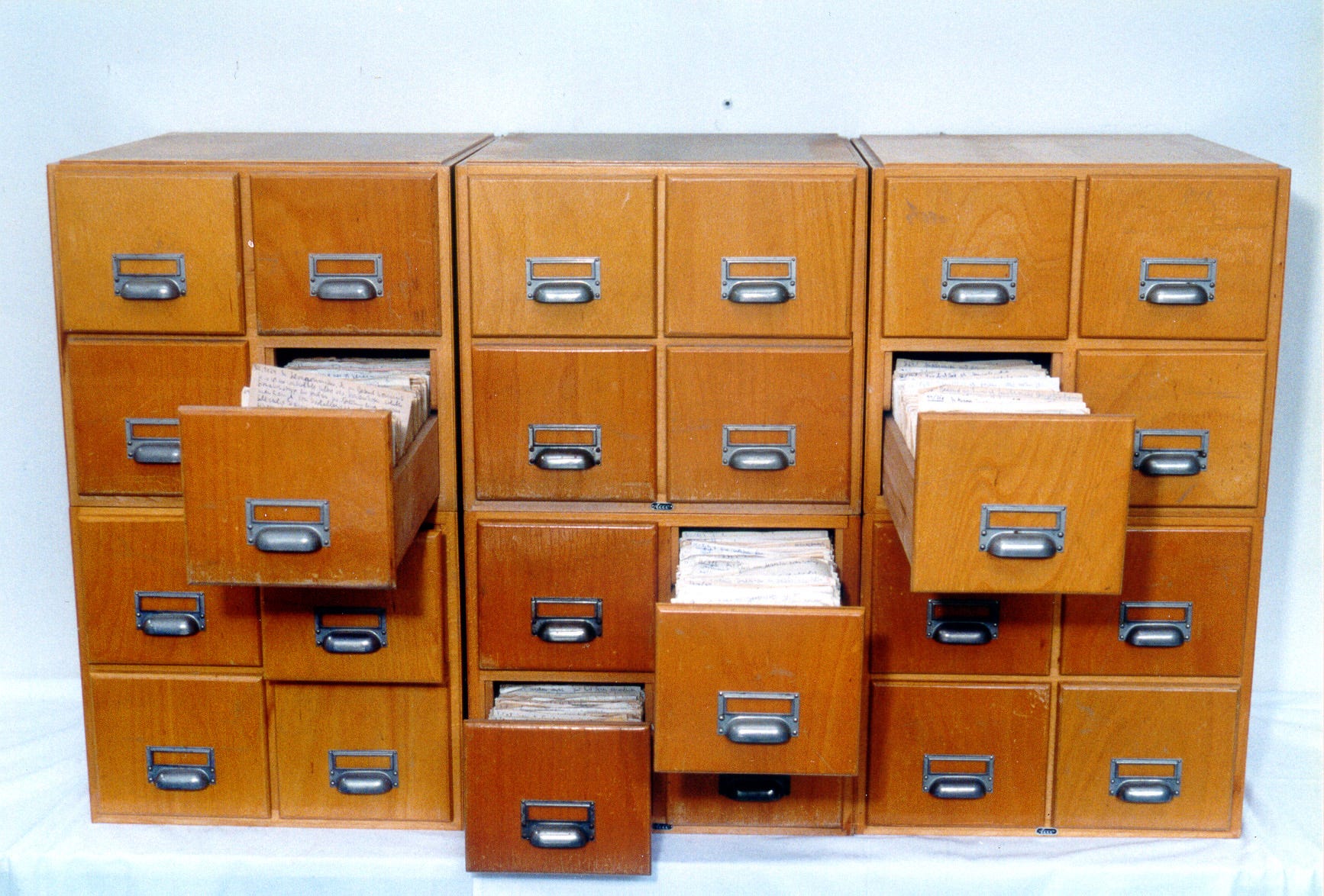
In practice, what is typically meant by the term is that you have some form of small(ish) notes which connect to other notes. The structure is meant to develop organically as you do research. In the past people used physical systems, typically of index cards. The German sociologist Niklas Luhmann was famous for his use of over 90,000 index cards. Luhmann is evidence of the practices utility, as he wrote 50 books and 550 articles in his lifetime (he wrote an article reflecting on his usage of the system)
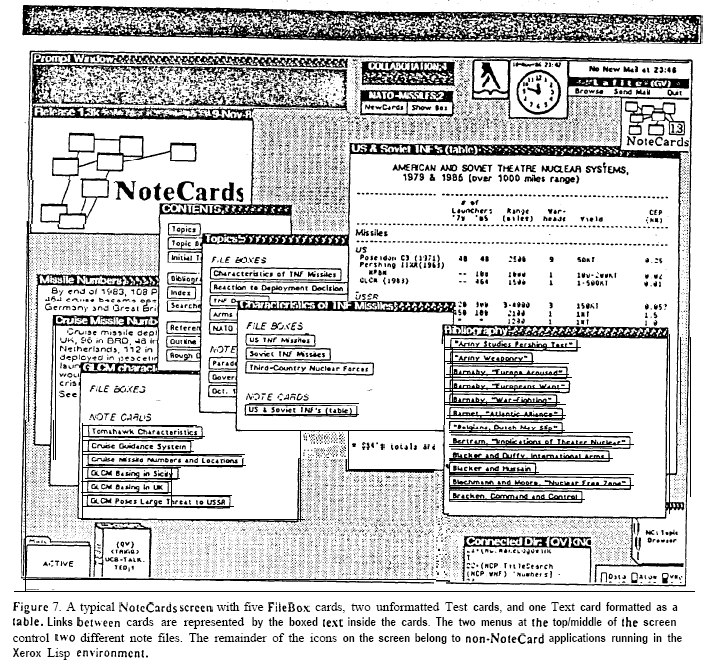
Eventually, the term Zettelkasten came to be more generally a metaphor for digital note-taking systems. As computers developed in the 1980s, different ‘hypertexts‘ and ‘hyperlinks‘ based software for personal knowledge management appeared. In essence, this allowed for the creation of personal knowledge systems by linking through hyperlinks between notes, essentially created personal “wikis”.
Fast forward today, and there are dozens of software. One of the most popular is Obsidian, a free personal knowledge base and note-taking app based on markdown. It uses a system of internal linking which essentially allows you to create your own wiki on anything and everything you are interested in. Eventually I will release a full ‘guide’ on how to use Obsidian as a research tool, but needless to say it’s very powerful.
why zettelkasten (and obsidian) is useful
There’s a million fads, including different applications, techniques, and all this other stuff surrounding ‘productivity’ in contemporary capitalism. However, I believe we have to separate toxic forms of ‘productivity’ from actual attempts at self-development as a researcher. Researching and learning requires systems that 1) make it easy to record information and 2) make it easy to retrieve that information. Zettelkasten in Obsidian makes it very easy to write a little bit on a term I’m reading about, leave it, and work on it latter as needed. It allows you to create a base of knowledge from which to develop yourself further and further. Knowledge is power, knowledge is what allows us to understand how the world is, and as a result, how to change it. Thus, I take the development of knowledge as a practice and science, very seriously.
In short, I use “zettels“ to take notes on terms, concepts, events, people or any other myriad of potential ‘things’ I want to better understand. These notes are always developing, expanding as I learn more. I connect them to other notes, and I cite the sources where I got the information.
As someone who’s always struggled to take notes and felt that my reading was all a ‘waste’ because of it, this has transformed the way I research for the better. I based mine off this video if you’re interested in making your own note-taking system.
If you enjoy my work and want to support it, the best thing you can do is like, repost and share it on other platforms. The most important thing is that people learn something from my work, first and foremost.
You can also become a paid subscriber on Substack or make a one time donation of a ★🚩revolution🚩★ here . If you’re Canadian, I accept e-transfers by email instead of going through Stripe, this avoids fees and taxes for me and the exchange rate for you.